

The weight loss effect of learning Wing Chun for obese people
Weight Loss Benefits of Wing Chun Training for Individuals with Obesity Wing Chun, a dynamic martial art focused on efficiency […]
Weight Loss Benefits of Wing Chun Training for Individuals with Obesity Wing Chun, a dynamic martial art focused on efficiency […]
Adaptive Wing Chun Training for Individuals with Disabilities: A Comprehensive Guide Wing Chun’s principles of efficiency, adaptability, and structural integrity
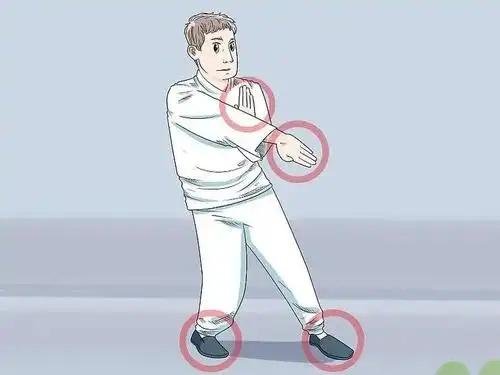
Key Strategies for Fitness Enthusiasts to Enhance Wing Chun Training Wing Chun’s emphasis on efficiency, structural integrity, and adaptive movement

Integrating Wing Chun Techniques into Fitness Routines: A Guide for Enthusiasts Fitness training and Wing Chun martial arts share core
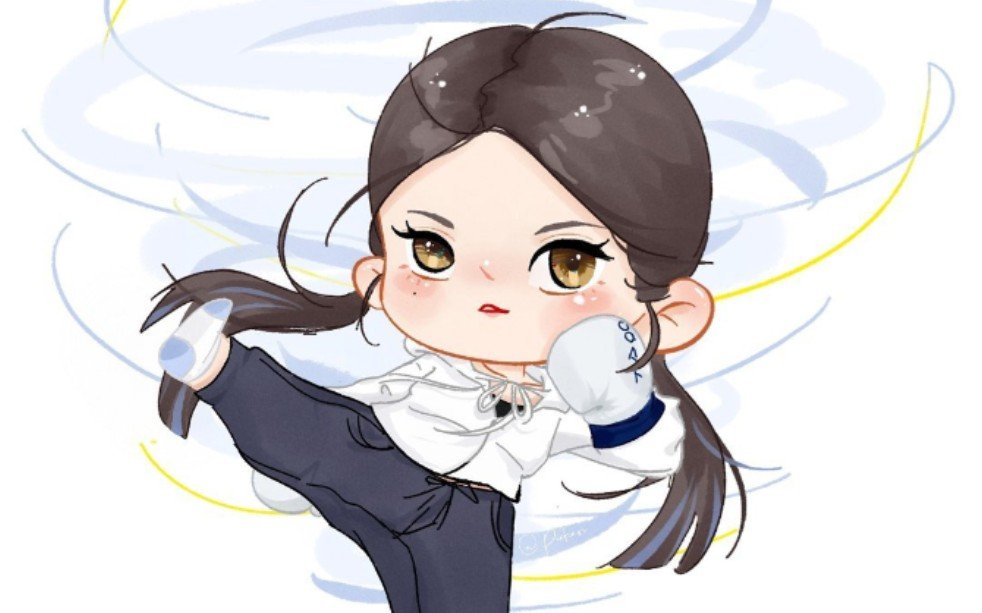
Blending Wing Chun Techniques with Dance Practice: A Guide for Enthusiasts Dance and Wing Chun, though rooted in different traditions,
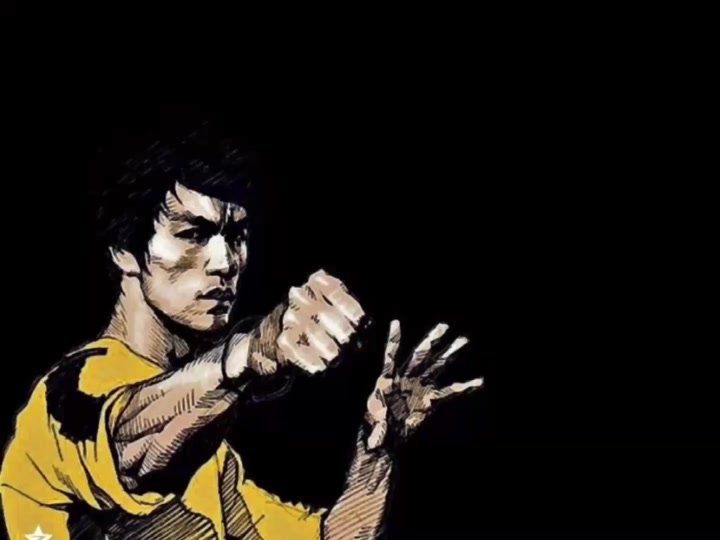
Wing Chun, a Southern Chinese martial art renowned for its efficiency in close-quarters combat and emphasis on practical self-defense, has gained global popularity. Its unique approach to movement, structure, and energy makes it accessible to a wide range of individuals. Below, we explore specific groups who may find Wing Chun particularly rewarding to learn.
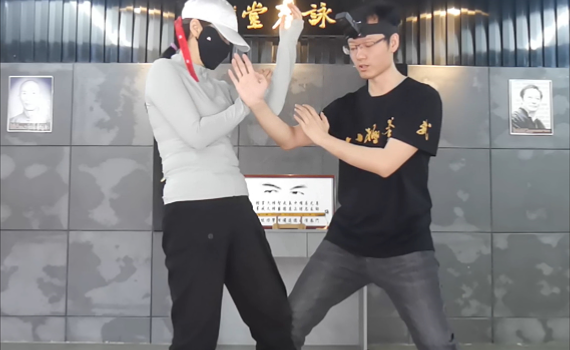
The origins of the Wing Chun style are a subject of deep interest and some debate among martial arts historians. Pinpointing a exact date is challenging due to the scarcity of written records, with much of its early history passed down through oral tradition. The most common narratives place its development in Southern China during a period of social upheaval, often linked to the Qing Dynasty. This context is crucial, as many southern Chinese martial arts evolved as tools for self-defense and rebellion. The system is widely thought to have been developed within the Shaolin Temple, a legendary cradle for Chinese Kung Fu, though specific details vary across different lineages. These stories often feature key figures who refined the art for efficiency and practical combat.
The precise beginnings of Wing Chun are deeply rooted in the oral traditions of Southern Chinese martial arts. The most prevalent narrative traces its creation to the Qing Dynasty, a period of political turmoil. It is said the system was developed by a Buddhist nun, Ng Mui, who was one of the legendary Five Elders of the Shaolin Temple. Seeking to create a method of self-defense that was efficient and did not rely on brute strength, she synthesized her knowledge of Shaolin Kung Fu into a new, more direct system.

The Synergies Between Wing Chun Training and Dance Practice for Enthusiasts Dance and Wing Chun, though seemingly distinct, share foundational
Sport-Specific Adjustments to Wing Chun Training for Athletes Wing Chun’s principles of efficiency, directness, and adaptability make it a valuable