
The philosophical thought connotation of Wing Chun
The Philosophical Connotations of Wing Chun: A Harmonious Blend of Martial Arts and Wisdom Wing Chun, a traditional Chinese martial […]
The Philosophical Connotations of Wing Chun: A Harmonious Blend of Martial Arts and Wisdom Wing Chun, a traditional Chinese martial […]
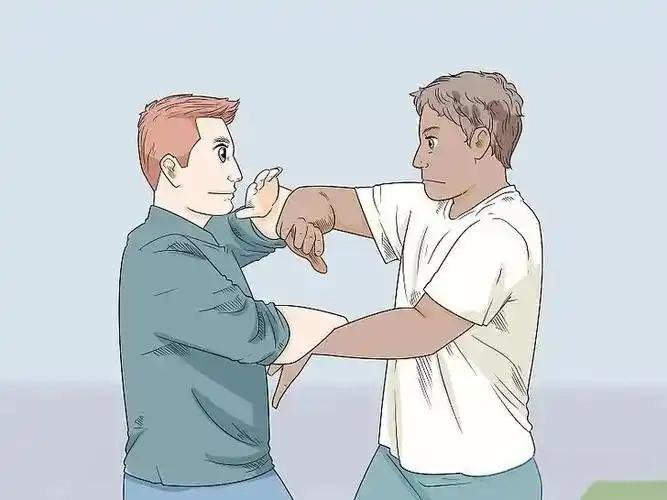
The “Biu Ji” (thrust Fingers) is an advanced technique in Wing Chun Kung Fu. renowned for its emphasis on precision,
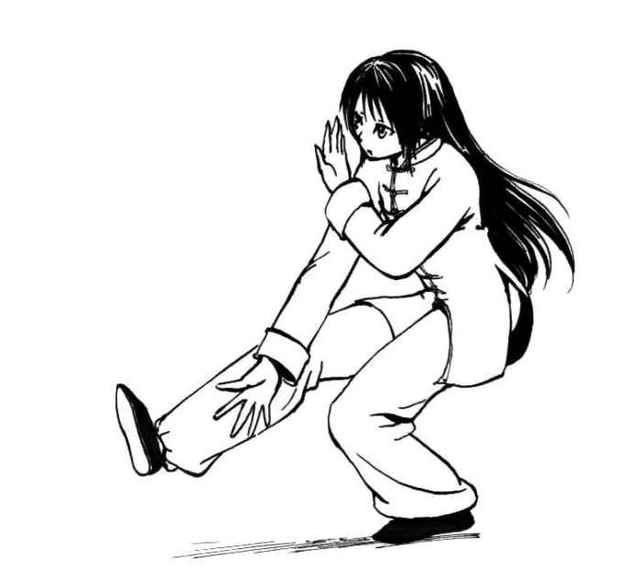
A daily physical conditioning plan for Wing Chun practitioners should focus on building strength, endurance, flexibility, and reflexes—all of which are essential for executing techniques with power, speed, and precision. Below is a structured yet adaptable routine designed to enhance performance in Wing Chun while avoiding overtraining.
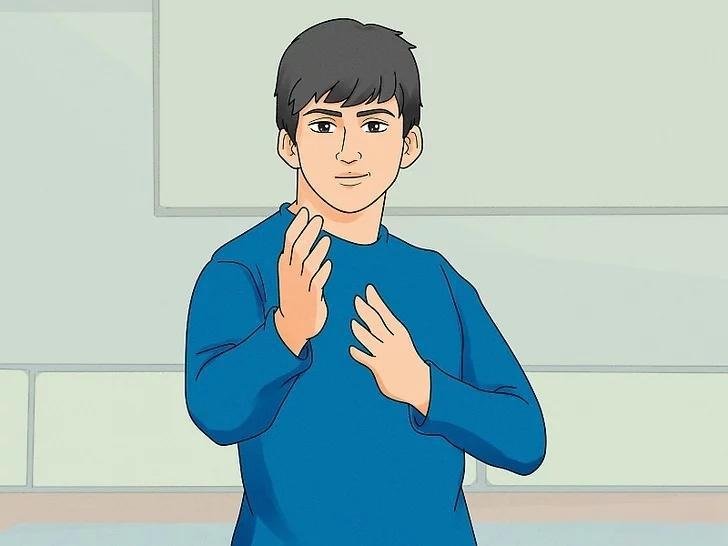
The “Ri Zi Chong Quan” (日字冲拳, Sun Character Straight Punch) is a cornerstone technique in Wing Chun Kung Fu, renowned for its explosive power, rapid execution, and emphasis on the centerline. Below is a detailed analysis of its force generation techniques and principles:
The “Gua Chui” (Hanging Hammer) is a distinctive technique in Wing Chun Kung Fu. characterized by its downward-curving strike and
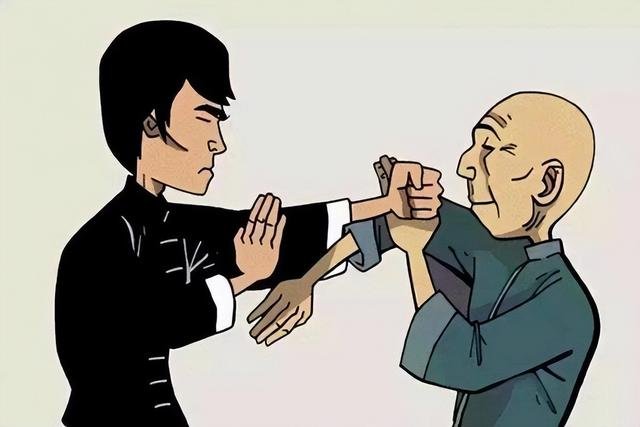
The “Geng Shou” (耕手, Plowing Hand) is a fundamental defensive technique in Wing Chun Kung Fu, renowned for its ability to seamlessly transition between defense and attack. Below is a detailed analysis of its offensive-defensive conversion mechanics and principles:
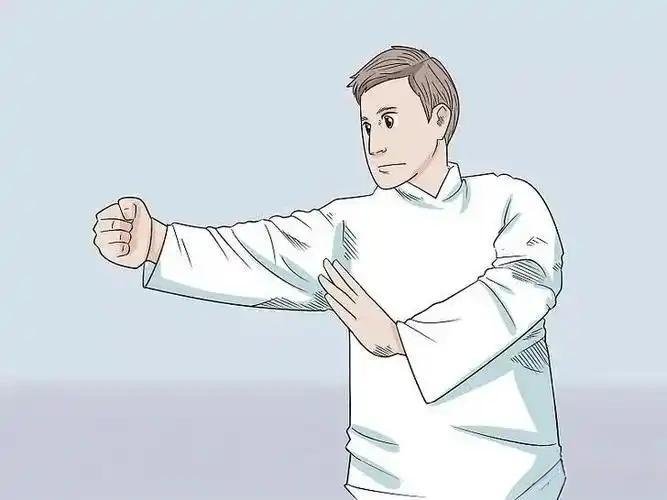
The “Hu Shou” (护手, Protecting Hand) is a fundamental defensive technique in Wing Chun Kung Fu, emphasizing protection of the body’s centerline and readiness for counterattacks. Below is a detailed analysis of its movement specifications and principles:
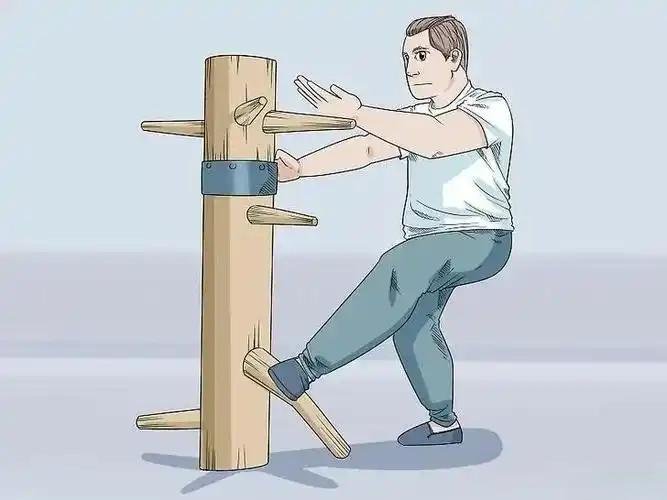
The “Zi Wu Chui” (子午捶, Sub-Noon Punch), also known as the “Centerline Punch”, is one of the most fundamental and potent techniques in Wing Chun Kung Fu. This technique embodies the art’s core principles of efficiency, directness, and simultaneous attack and defense. Below is a detailed analysis of its movements and mechanics:
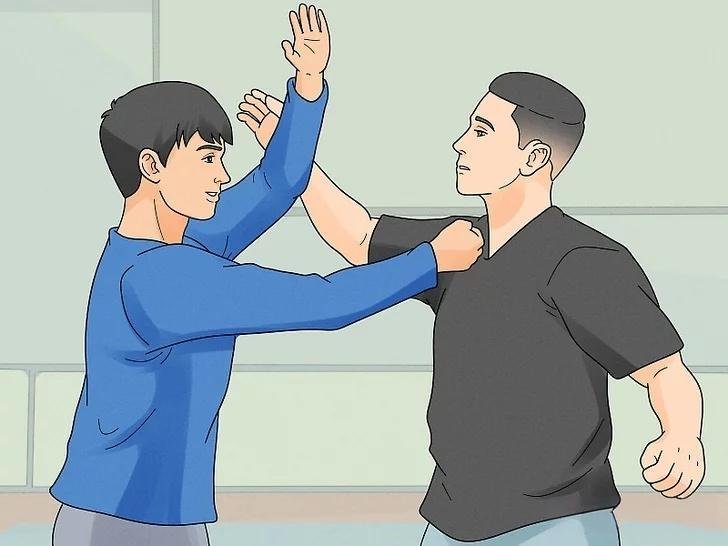
The “Er Zi Qian Yang Ma” (二字钳羊马, Character Two Goat-Clamping Stance) is a fundamental stance in Wing Chun Kung Fu, embodying the art’s emphasis on stability, flexibility, and structural integrity. This stance, also known as the “Yee Ji Kim Yeung Ma” in Cantonese, serves as the cornerstone for generating power, maintaining balance, and executing techniques effectively. Below is an in-depth analysis of its principles and mechanics:
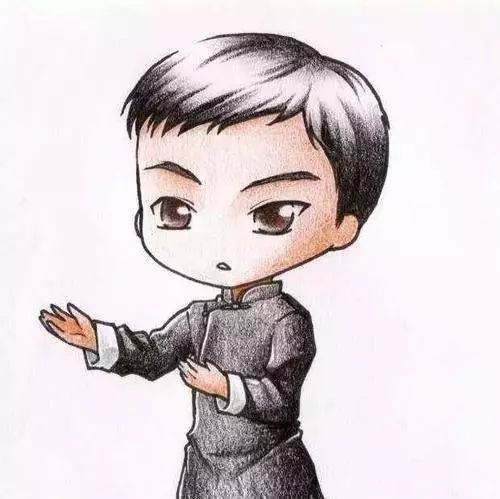
The concept of “Simultaneous Attack and Defense” (攻守合一, Gōng Shǒu Hé Yī) is a defining feature of Wing Chun Kung Fu, embodying its core philosophy of efficiency, adaptability, and intuitive combat. Unlike traditional martial arts that often separate offensive and defensive techniques, Wing Chun integrates these elements into a seamless, continuous flow of action. This approach allows practitioners to respond dynamically to an opponent’s movements, turning defense into offense instantaneously and maintaining control of the engagement.