The complementary role of athletes learning Wing Chun
The Complementary Benefits of Wing Chun Training for Athletes Athletes across disciplines often seek cross-training methods to enhance performance, prevent […]
Adjusting Intensity in Wing Chun Training for Vulnerable Populations Wing Chun, a martial art emphasizing efficiency and adaptability, can be
Common Challenges in Wing Chun Training and Practical Solutions Learning Wing Chun demands persistence, precision, and adaptability. Practitioners at every
Sharing and Exchanging Wing Chun Learning Experiences: Insights for Practitioners at All Levels Mastering Wing Chun requires more than just
The Role of Wing Chun Learning Communities in Skill Development and Cultural Preservation Wing Chun’s emphasis on practical application and
Criteria for Evaluating the Qualifications of a Wing Chun Instructor Selecting a competent Wing Chun instructor requires assessing their technical
The Wing Chun straight punch, often called the Sun Character Punch due to its vertical fist alignment resembling the Chinese character for “sun,” is renowned for its efficiency and directness. Unlike boxing punches that rotate the fist horizontally, the fist remains vertical throughout the motion, traveling directly along the central axis of the body. This alignment allows the punch to emanate from the core and shoot straight toward the target without telegraphing, making it exceptionally difficult to see and defend against. The power generation is a product of body structure, with the elbow down and the shoulder relaxed, ensuring force is transferred from the ground through the body and into the target with minimal energy loss.
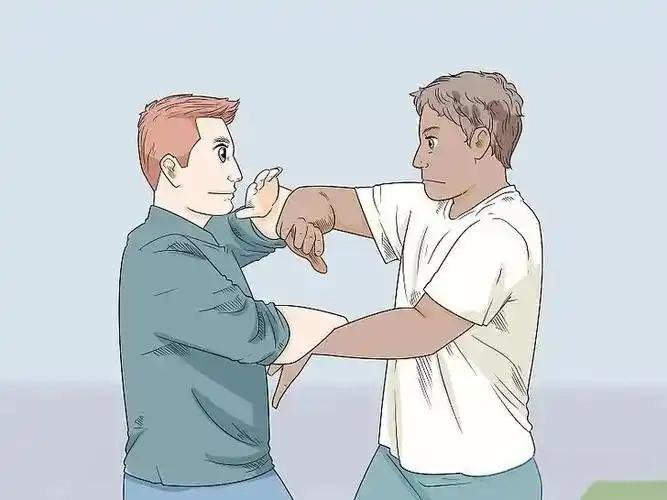
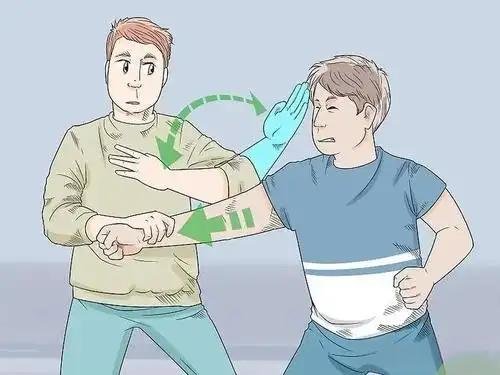
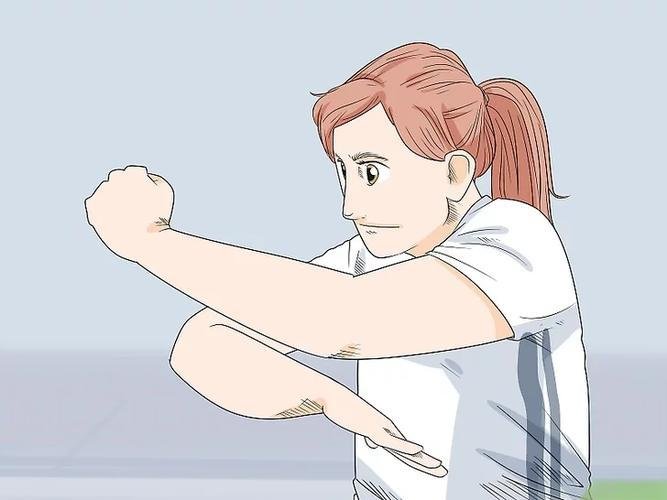
The Gang Sau, or “cultivating hand,” is a fundamental defensive movement within Wing Chun Kung Fu. Its primary function is to deflect incoming linear attacks, such as straight punches, away from the practitioner’s centerline. The motion is not a hard, rigid block but a redirecting action that resembles the fluid movement of a farmer tilling soil—hence the name. Proper execution demands precise alignment of the wrist, elbow, and shoulder. The forearm rotates inward as the hand moves diagonally across the body, effectively “plowing” an opponent’s force to the outside. The elbow remains down and in, providing a stable, rooted structure that enables the practitioner to deflect force significantly greater than their own muscular strength.
The Role of Fuk Sau in Close-Range Combat Fuk Sau, commonly translated as the “subduing hand” or “bridging arm,” is
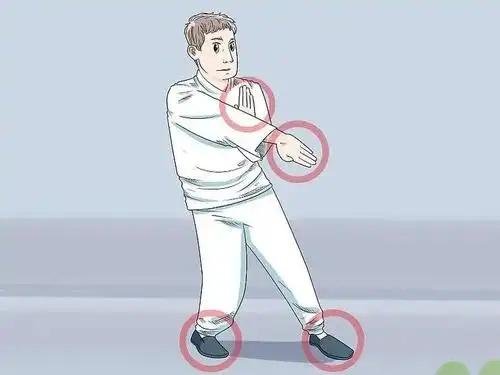
The Tan Sau, or “spreading hand,” is a fundamental technique in Wing Chun. It serves as a primary defense tool, used to redirect incoming force rather than meeting it with direct opposition. The palm faces upward, and the elbow remains inward, providing a stable structure to disperse energy. Proper alignment of the wrist, elbow, and shoulder is critical to maintain efficiency and avoid relying on muscular strength.