
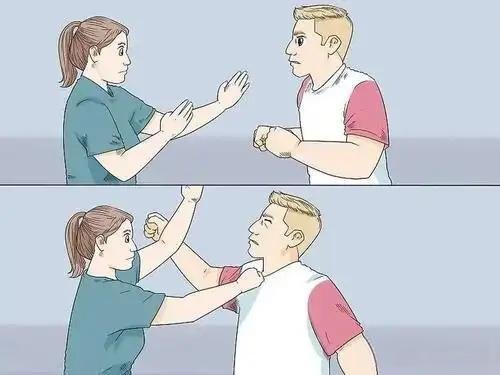
Key points for choosing an offline Wing Chun training class
Key Considerations for Selecting an In-Person Wing Chun Training Program Choosing the right offline Wing Chun培训班 (training program) requires careful […]
Key Considerations for Selecting an In-Person Wing Chun Training Program Choosing the right offline Wing Chun培训班 (training program) requires careful […]
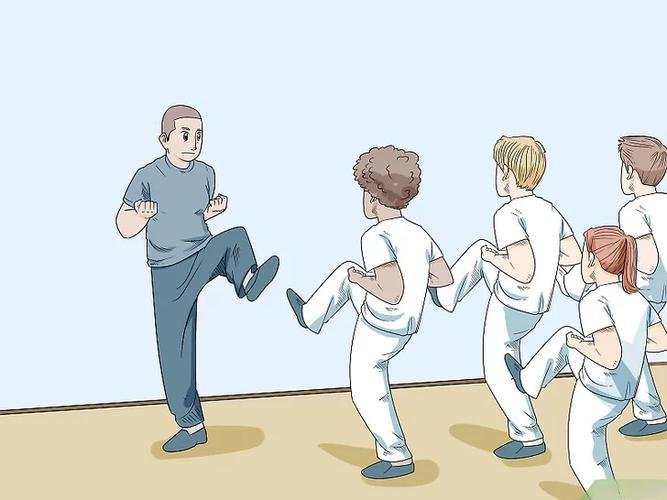
Analyzing the Pros and Cons of Learning Wing Chun Online The rise of digital education has transformed how martial arts
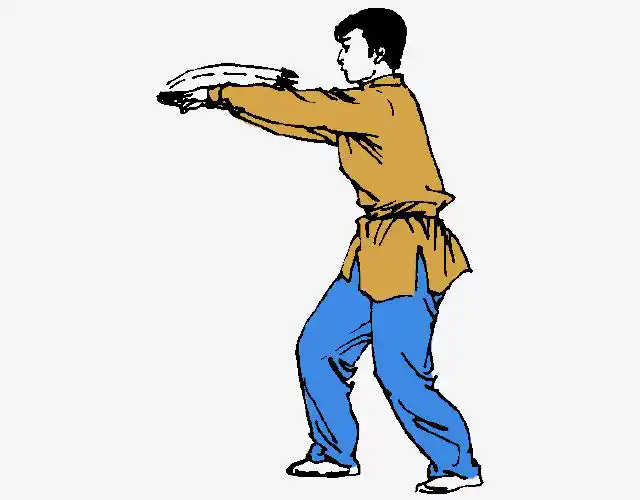
Exploring Online Platforms and Websites for Comprehensive Wing Chun Learning The digital age has democratized access to martial arts education,
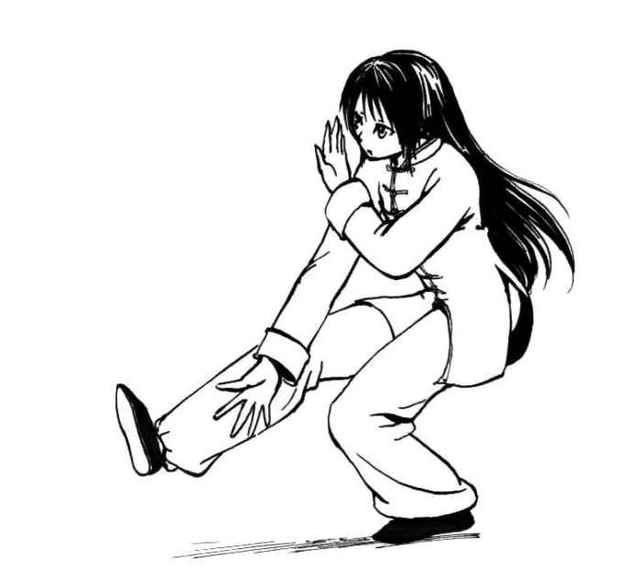
How to Select and Utilize Wing Chun Instructional Videos for Optimal Learning Wing Chun’s popularity has led to an abundance
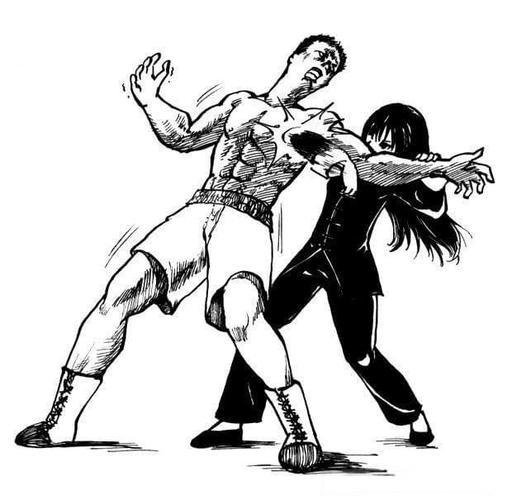
Bong Sau, or Wing Arm, is one of the most recognizable yet frequently misunderstood techniques in Wing Chun. It is not a static block but a dynamic, transitional deflection. Its primary purpose is to redirect force and create opportunities, not to meet power with power.
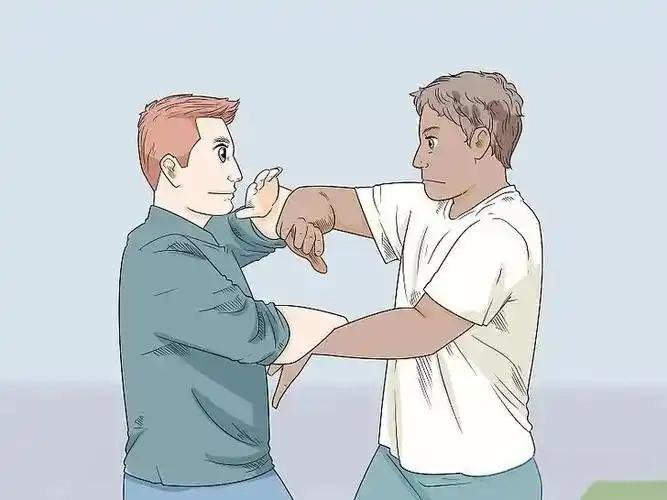
Chi Sau, or Sticky Hands, is a unique and central training method in Wing Chun. It is a dynamic exercise where practitioners develop tactile sensitivity, reflexes, and the ability to apply techniques under pressure. This two-person drill transforms the system’s forms from pre-arranged movements into applicable fighting skills.

The Muk Yan Jong, or wooden dummy, is an iconic training tool in Wing Chun. Far more than a simple striking post, it is a comprehensive training platform that represents a virtual opponent. Its fixed arms and leg condition the body, refine technique, and ingrain the core principles of the system into muscle memory.
The one-inch punch is perhaps the most famous and misunderstood aspect of Wing Chun. It is not a magical trick but a demonstrable application of the system’s core body mechanics. This technique showcases the ability to generate sharp, penetrating power from an extremely short distance.
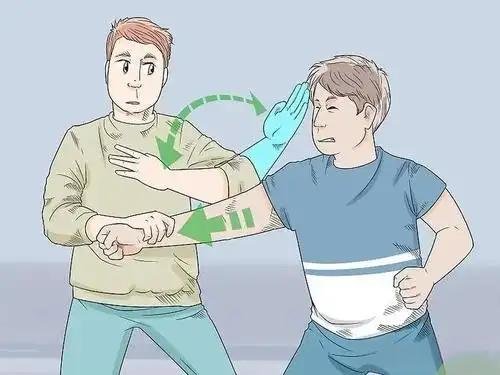
Wing Chun’s entire fighting strategy is built upon the efficient management of the centerline. This concept is the strategic core that dictates every block, punch, and movement. Mastery of the centerline principle is what allows a smaller practitioner to overcome a larger, stronger opponent….
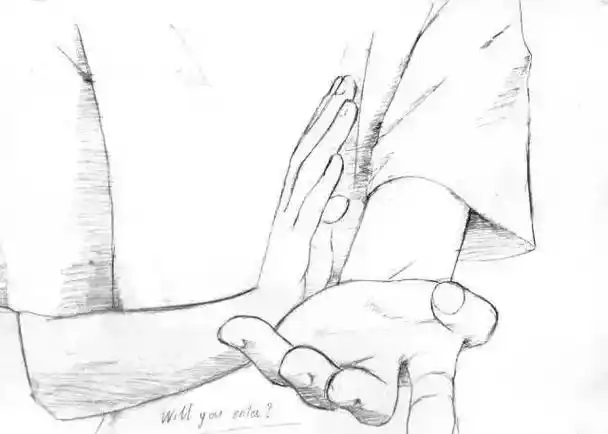
Wing Chun Kuen is renowned for its ability to generate remarkable power over short distances. This capability stems from a sophisticated understanding of body mechanics rather than muscular strength. The system’s power generation is a product of structure, relaxation, and precise alignment.